Women who spoke, dived, traded and buried their sons
The Sangam corpus is a body of classical Tamil poetry, much of it composed and compiled in the first three centuries of the common era. Close to thirty of its named poets are women. Their poems, and the poems about women, describe pearl divers, traders, mourners and at least one woman who addressed a king to his face.
This is not one story but four, drawn from different corners of the same few centuries: the Pandya pearl fishery and its trade with Rome, the convention of the mother who sends her son to war, and the women poets who spoke in the courts of kings.
The mother, the field, the stone
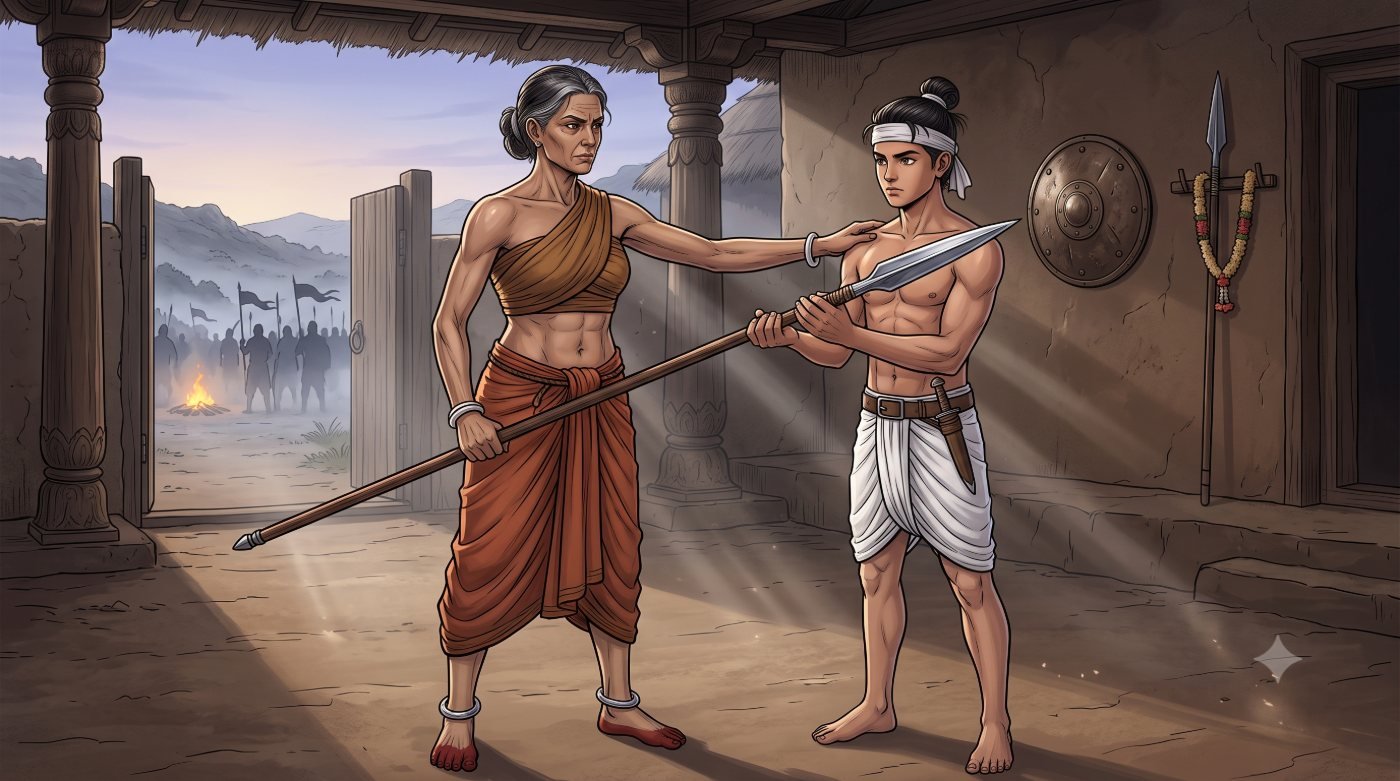
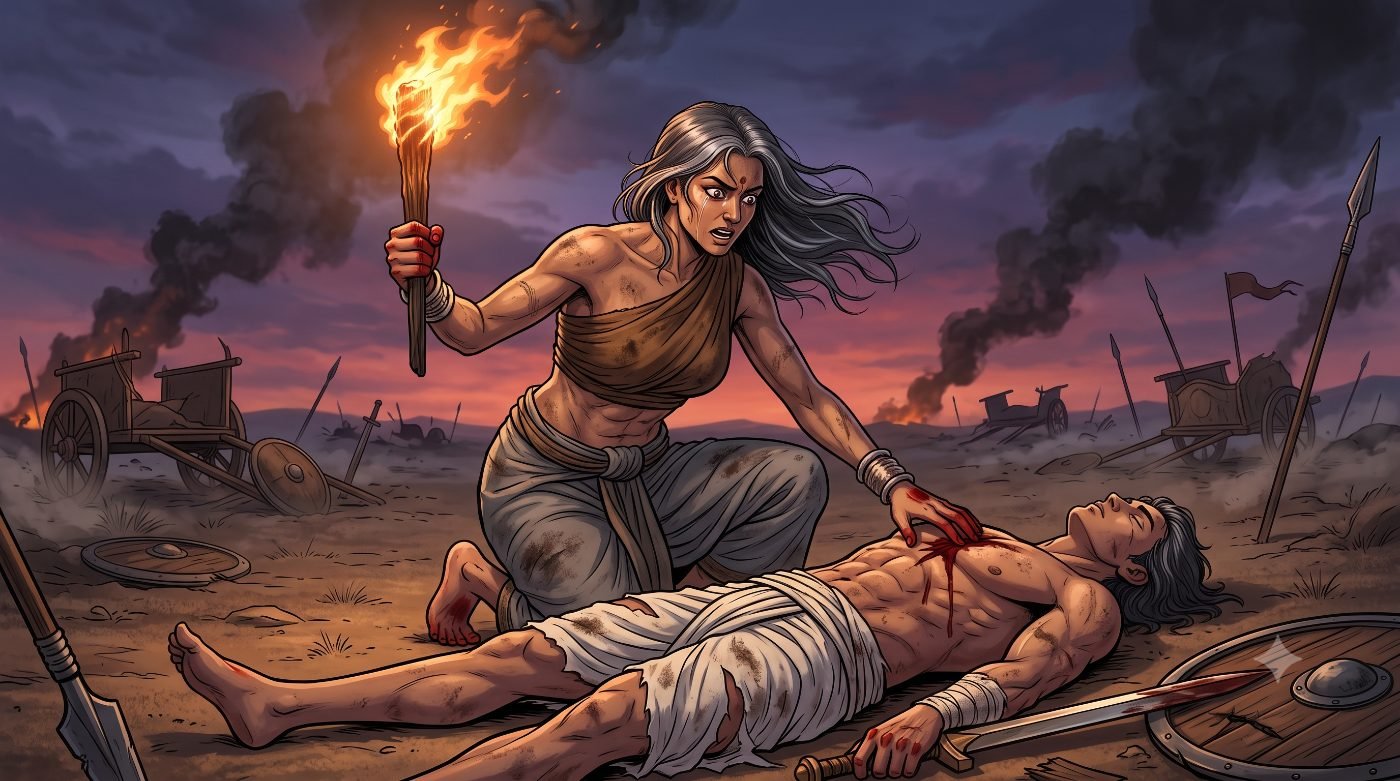
Puṟanāṉūṟu, the anthology of the "exterior" — war, kingship, public life — returns again and again to a mother's relationship to her son's death in battle. Okkūr Māsāttiyār and Kākkaipāṭiṉiyār are among the named women poets who wrote in this register. The convention was not private grief kept off the page: it was public poetry, composed by women, about what a warrior society asked of mothers.
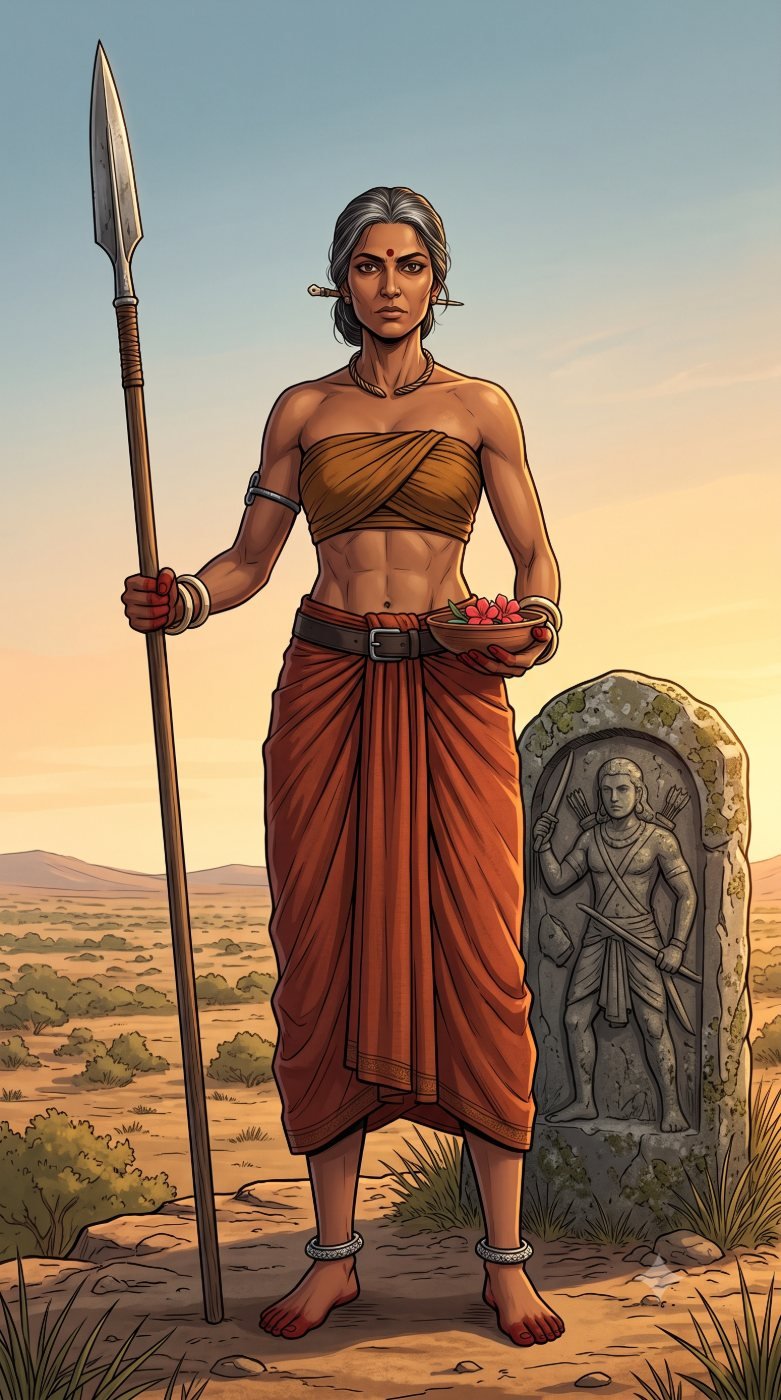
The same corpus describes the aftermath of that convention in stone. A fallen hero could be commemorated with a naṭukal — a hero-stone, set up and worshipped, sometimes with flowers, sometimes inscribed. Hero-stone worship of this kind is attested archaeologically across the Tamil country from this period onward.
Pearls, conch, and Roman gold
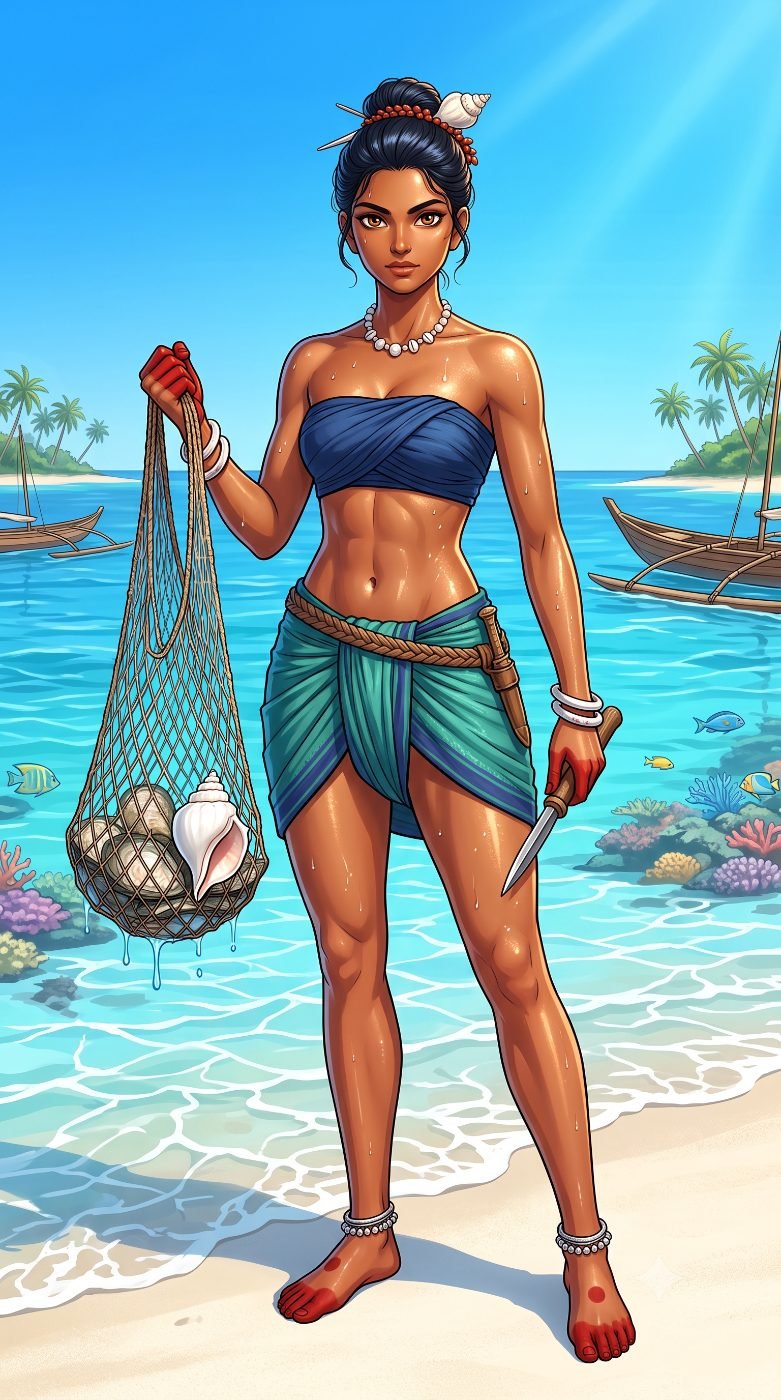
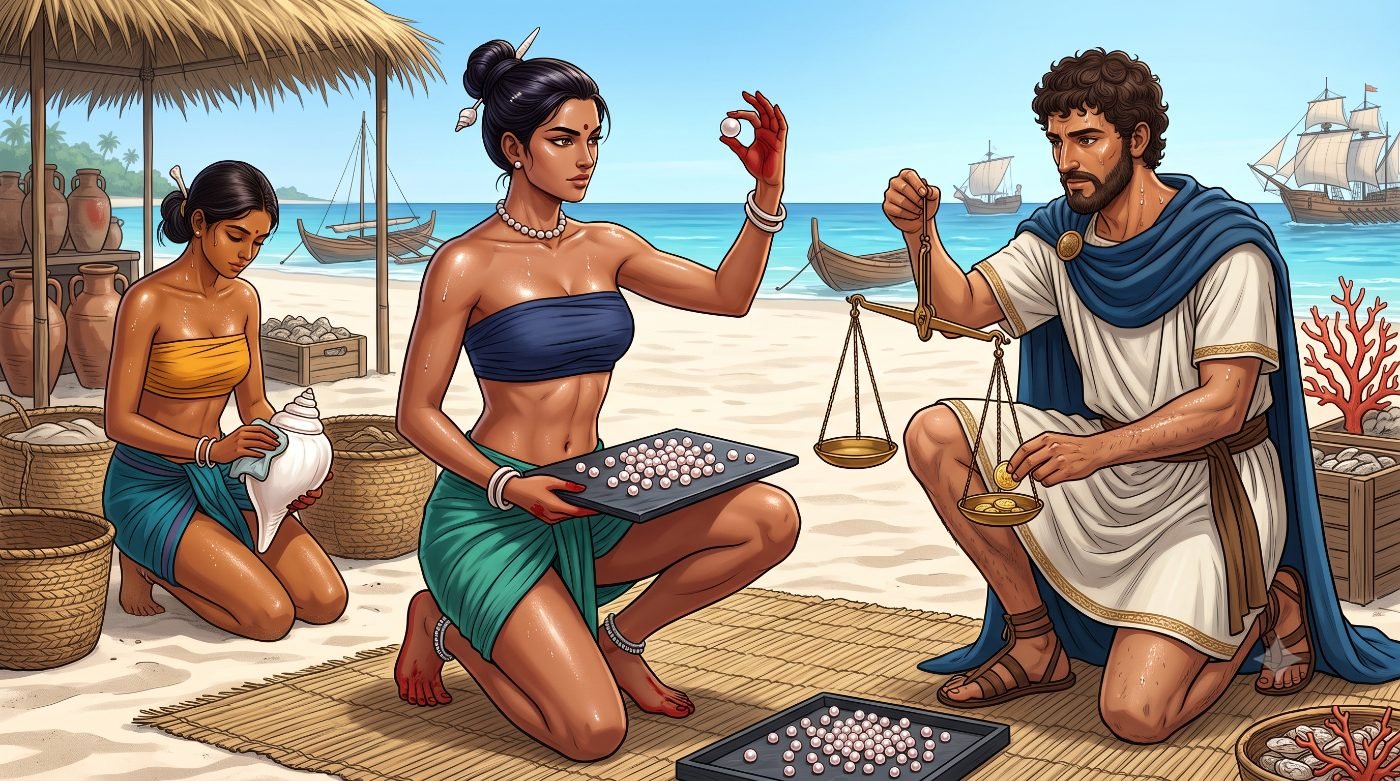
The Pandya coast around Korkai ran a pearl fishery that Sangam poets refer to directly, and that Greek and Roman writers noticed from the other end of the trade. The Periplus of the Erythraean Sea, a first-century Greek merchant's sailing guide, and Pliny the Elder both describe Roman ships coming to South Indian ports and paying in gold for pepper, pearls and other goods.
"Yavana" — the Tamil term for Greeks and, by extension, Romans and other westerners — appears in Sangam poetry describing these traders and their ships. Breath-hold diving for pearl oysters and conch is the method implied by the sources; who specifically dived is not detailed by name in the surviving corpus.

Speaking before the king
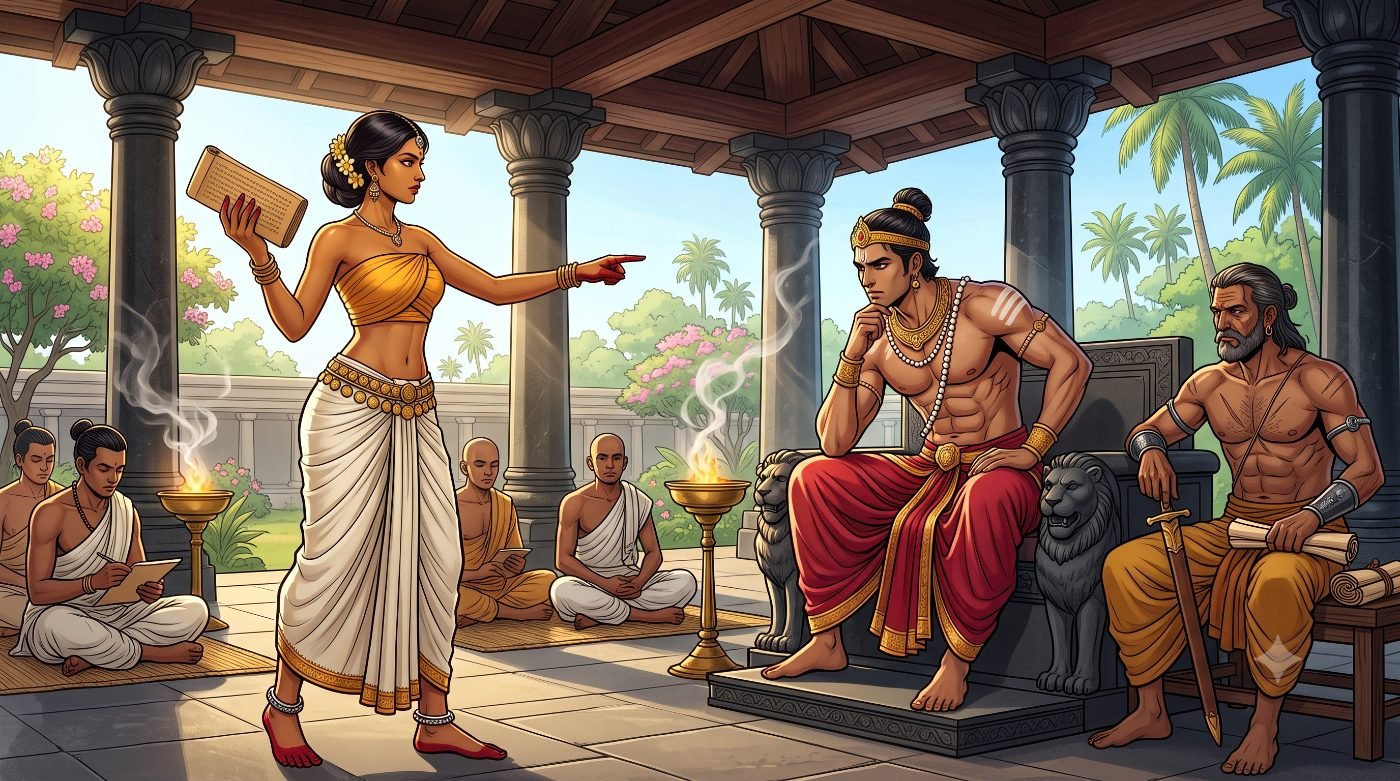
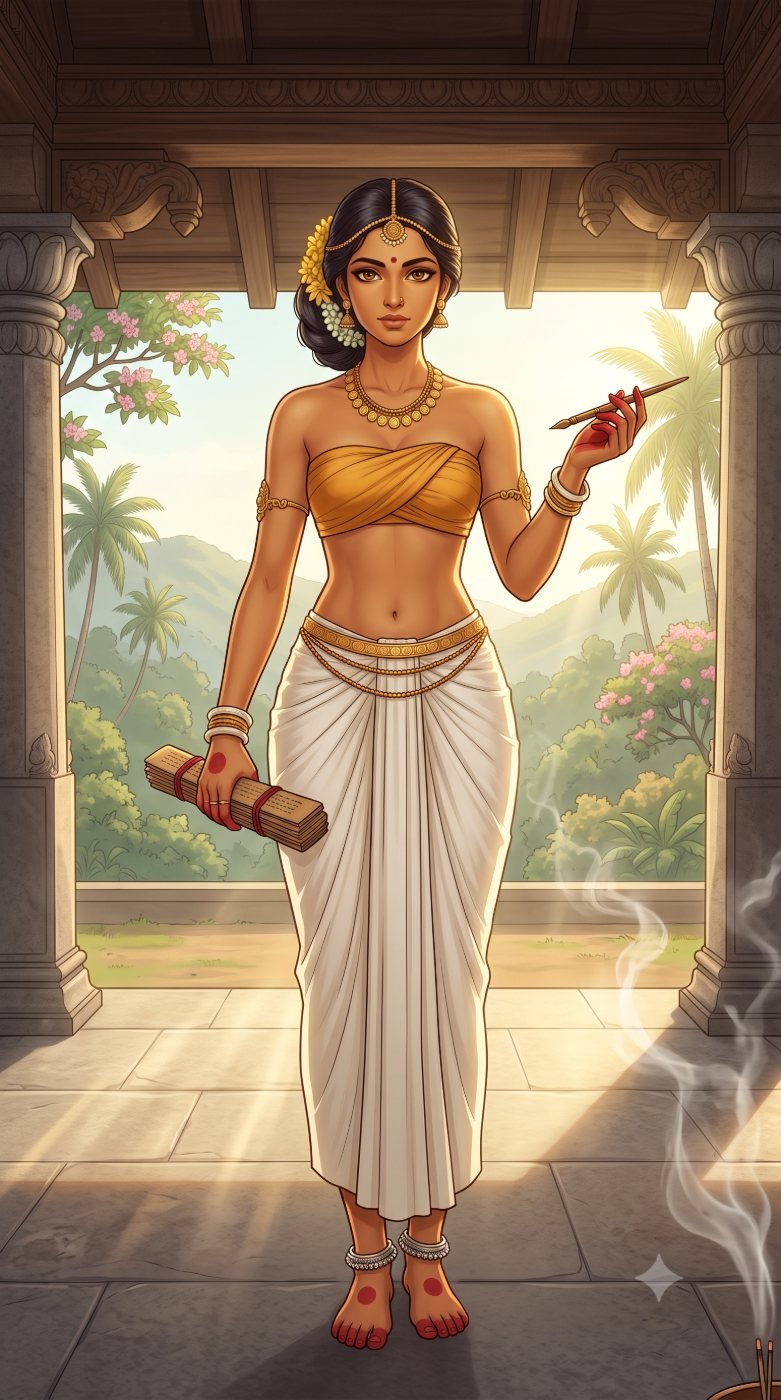
Close to thirty women are named as poets across the Sangam anthologies, Auvaiyār the best known among them. Their poems address kings and chieftains directly — praising, rebuking, negotiating — in the same register used by their male contemporaries. Sangam poetry was primarily an oral, performed form; the palm-leaf manuscript is the medium the poems eventually reached us through, not the medium a Sangam-era audience would have first heard them in.
How to read the pictures
These are drawings, not evidence. Every caption is split three ways. Attested means the object, garment or practice is documented — in a poem, an inscription, or an excavated find. Inferred means we filled it in: faces, individual likeness, the arrangement of a scene. Depicted for legibility means we knowingly drew something in a clearer or later form than the evidence supports, and say so.
A few choices recur across all of these images and are declared once rather than in every caption: the forehead mark, the red hand and foot markings, and the build given to every figure are the illustration's own visual style, not features drawn from a source.
A named woman poet in an anthology is not evidence about most women's lives in Tamilakam, any more than a queen's endowment is evidence about most women's lives elsewhere. Poetry composed and preserved is also poetry that survived a long transmission — what did not get anthologised is invisible to us.
What the corpus does establish is that women's public speech, women's labour in a major export trade, and women's grief for war dead were all subjects Sangam poetry treated directly and, in a substantial number of cases, that women wrote themselves.
Sources
Primary corpus and the two classical accounts of the western end of the trade.